Professional Water Damage Restoration
Reliable Water Damage Cleanup, Water Removal & Structural Drying Solutions
Request a Free Consultation
Tell us a little about your property.
Our team is here to help you take the next step.
Unexpected water damage can quickly affect your property’s flooring, drywall, ceilings, and structural materials, creating problems that become more expensive to address when moisture remains untreated. Whether you’re dealing with a plumbing leak, burst pipe, appliance malfunction, or water intrusion, taking prompt action is essential to limiting further damage.
At Crown Restoration, we provide professional water damage restoration services, helping homeowners and property owners address unwanted moisture, damaged materials, and water-related deterioration. Our restoration approach focuses on evaluating the affected areas, identifying hidden moisture, and developing solutions that support effective property recovery.
Comprehensive Water Damage Restoration Services
Professional Solutions for Water-Damaged Properties
Water damage rarely affects only the area where water is first discovered, as moisture can spread through porous building materials and reach concealed spaces beneath flooring or behind walls. Without appropriate water removal and drying procedures, affected materials may deteriorate further, increasing the scope of repairs and the potential for mold growth.
Crown Restoration helps property owners manage different types of water damage through services tailored to the source of intrusion, extent of moisture exposure, and condition of the affected materials.
Water Extraction & Removal
Standing water can quickly penetrate flooring, baseboards, carpets, and surrounding building materials, making prompt removal an important first step in the restoration process. Depending on the situation, professional water extraction methods can help remove accumulated water and prepare affected areas for further drying and assessment.
Structural Drying & Dehumidification
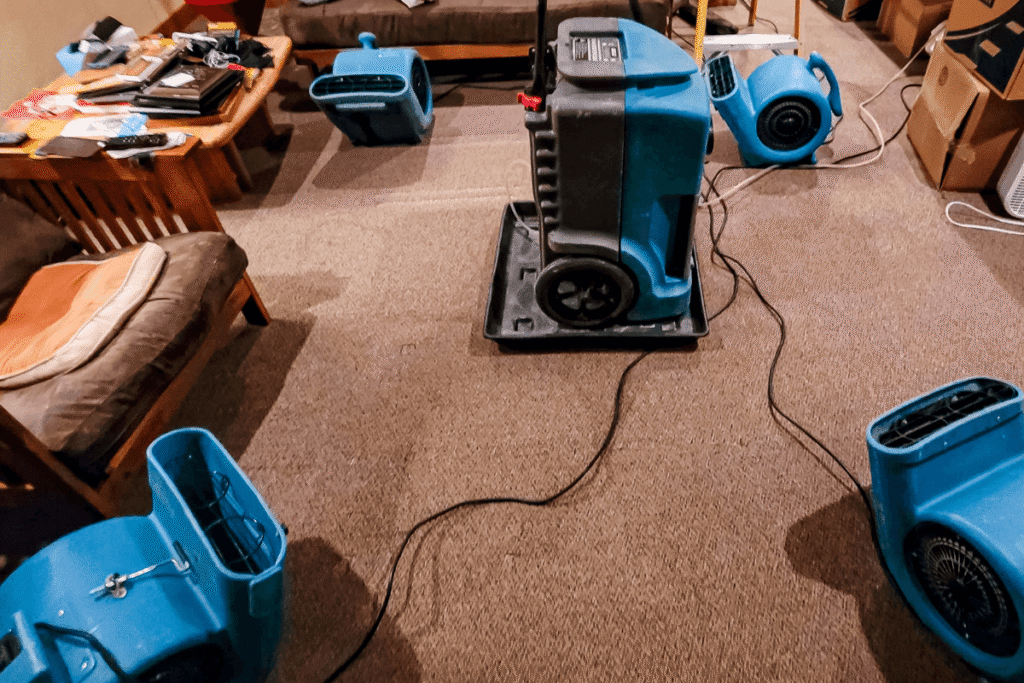
Even after visible water has been removed, moisture may remain trapped inside drywall, wooden surfaces, flooring systems, and other building components. Controlled drying and dehumidification procedures help reduce retained moisture and support the restoration of materials that can be safely and effectively dried.
Moisture Detection & Damage Assessment
Water can travel into concealed areas that may not show immediate signs of damage, making visual inspection alone insufficient in some situations. Moisture assessment helps identify affected materials, determine the extent of water penetration, and guide decisions about drying or replacing damaged components.
Water-Damaged Material Assessment
Some materials can be dried and restored, while others may require removal or replacement because of prolonged saturation, contamination, or physical deterioration. Evaluating the condition of drywall, insulation, flooring, and other affected materials helps determine the appropriate restoration requirements.
Common Causes of Water Damage
Identifying the Source Is Essential for Effective Restoration
Understanding how water entered your property is an important part of determining the appropriate cleanup and restoration strategy. Different sources of water intrusion can affect building materials in different ways, and the extent of the damage may depend on how long moisture has been present.
Burst Pipes & Plumbing Leaks
Damaged pipes, leaking connections, and unexpected plumbing failures can release significant amounts of water into walls, floors, and surrounding spaces, potentially affecting multiple areas before the problem is discovered.
Appliance Leaks & Malfunctions
Washing machines, dishwashers, refrigerators, and water heaters can develop leaks that allow water to accumulate beneath appliances, cabinets, and nearby flooring, sometimes causing concealed moisture damage.
Roof Leaks & Ceiling Water Damage
Damaged roofing materials, flashing problems, and other openings can allow rainwater to enter attic spaces, ceilings, and interior walls, leading to staining, weakened materials, and recurring moisture problems.
Stormwater Intrusion
Heavy rainfall and severe weather can allow water to enter buildings through vulnerable openings or drainage problems, potentially damaging flooring, wall finishes, and other exposed materials.
Bathroom & Kitchen Water Damage
Overflowing sinks, leaking fixtures, damaged supply lines, and plumbing problems around showers or toilets can expose surrounding surfaces to moisture, sometimes allowing water to reach subfloors and adjacent rooms.
Warning Signs of Hidden Water Damage
Recognize Moisture Problems Before They Cause Further Deterioration
Not every water damage problem begins with an obvious flood or visible puddle, because slow leaks and concealed moisture can gradually affect building materials without attracting immediate attention.
Recognizing changes in your property’s condition can help you identify potential problems and arrange an assessment before additional deterioration occurs.
Discolored Walls or Ceilings:
Yellow, brown, or dark water stains may indicate moisture penetration from plumbing leaks, roofing problems, or water accumulation above the affected surface.
Warped or Buckling Floors:
Hardwood, laminate, and other flooring materials may expand, separate, or change shape after absorbing excessive moisture.
Peeling Paint or Bubbling Wallpaper:
Trapped moisture can weaken the adhesion of interior finishes, causing paint to blister or wallpaper to separate from the wall.
Unexplained Musty Odors:
Persistent damp or earthy smells may indicate hidden moisture or microbial growth in areas affected by previous water intrusion.
Soft or Deteriorating Drywall:
Water exposure can weaken gypsum board and other porous materials, causing visible deformation, crumbling, or changes in surface texture.
Recurring Damp Spots:
Moisture that repeatedly appears around plumbing fixtures, windows, ceilings, or baseboards may indicate an unresolved leak that requires further investigation.
When these warning signs appear, a professional water damage assessment can help determine whether moisture remains present and which restoration measures may be appropriate.
Our Water Damage Restoration Process – How It Works
Four Steps Toward Restoring Your Water-Damaged Property
At Crown Restoration, our restoration process is designed to identify the extent of water damage, address excess moisture, and determine what is needed to restore affected areas. Because every property experiences water intrusion differently, the specific procedures depend on the source of the water, the materials involved, and the severity of the damage.
01
Step 1: Water Damage Inspection & Assessment
We begin by examining the affected areas, evaluating the visible damage, and identifying moisture conditions that may extend beyond the original water source. This assessment helps determine the extent of water penetration, identify potential hazards, and establish the appropriate restoration approach for your property.
02
Step 2: Water Removal & Extraction
When standing water or excess surface water is present, the next stage focuses on removing it using extraction methods appropriate to the affected areas. Reducing accumulated water helps limit further saturation and prepares the property for the drying procedures required to address retained moisture.
03
Step 3: Structural Drying & Moisture Management
Following water removal, affected building materials may require controlled drying and dehumidification to reduce moisture trapped within floors, walls, and other structural components. Moisture levels can be monitored during this stage to evaluate drying progress and determine whether materials are responding appropriately.
04
Step 4: Cleanup, Restoration & Final Evaluation
Once drying requirements have been addressed, the remaining work may include cleaning affected areas, evaluating damaged materials, and completing or recommending necessary restoration work. A final evaluation helps determine whether the agreed-upon restoration objectives have been met and whether additional repairs or moisture-related precautions are required.
Why Immediate Water Damage Cleanup Matters
Reduce Property Damage and Avoid Unnecessary Restoration Costs
Water intrusion can create a chain of problems when moisture remains inside a building, particularly when porous materials continue absorbing water after the original incident. Over time, prolonged saturation can weaken interior finishes, damage flooring systems, and create conditions that support microbial growth.
Although the extent of damage depends on the source and duration of water exposure, acting promptly can help reduce avoidable deterioration and provide more opportunities to restore affected materials.po
Limit Damage to Building Materials
Addressing excess moisture early can help reduce prolonged exposure that causes drywall, flooring, trim, and other materials to deteriorate.
Reduce the Likelihood of Mold Growth
Mold can begin developing on damp materials when suitable conditions are present, making effective drying and correction of the moisture source important parts of managing water damage.
Identify Damage Beyond Visible Surfaces
A thorough evaluation can reveal moisture in concealed spaces and surrounding materials that might otherwise remain untreated after surface water has disappeared.
Support a More Efficient Recovery
Understanding the extent of the damage and establishing appropriate restoration priorities can help property owners avoid unnecessary delays and make informed decisions about cleanup and repairs.
Why Choose Crown Restoration for Water Damage Restoration?
Dedicated Support for Your Property's Recovery
Restoring a water-damaged property requires more than removing standing water, because hidden moisture, material deterioration, and unresolved leaks can continue affecting the building long after visible surfaces appear dry.
Crown Restoration emphasizes careful damage evaluation, appropriate restoration planning, and clear communication to help property owners understand the work needed to address water-related problems.
Detailed Damage Evaluation
We focus on understanding how water has affected your property so restoration recommendations address the extent of the problem rather than only its most visible symptoms.
Property-Specific Restoration Solutions
Our recommendations consider the source of the damage, affected building materials, and moisture conditions to help determine the most suitable course of action.
Attention to Hidden Moisture
We recognize that concealed moisture can contribute to ongoing property damage, making appropriate assessment and drying considerations important parts of the restoration process.
Clear Guidance Throughout Restoration
We help property owners understand the recommended work, relevant restoration procedures, and practical next steps so they can make informed decisions about their property's recovery.
What to Do When You Discover Water Damage
Important Steps to Take Before Restoration Begins
Discovering unexpected water damage can be stressful, but taking appropriate precautions can help protect your property and reduce unnecessary risks while professional assistance is being arranged.
Stop the Water Source When Safe: If the damage is caused by a plumbing leak or malfunctioning appliance, shut off the relevant water supply when you can do so without entering a hazardous area.
Avoid Electrical Hazards: Stay away from standing water near electrical outlets, appliances, and exposed wiring, and arrange qualified assistance when electrical systems may have been affected.
Document Visible Damage: Take photographs of water-affected rooms, damaged belongings, and visible moisture conditions before cleanup begins, particularly if you intend to contact your insurance provider.
Avoid Disturbing Contaminated Water: Water associated with sewage backups or outdoor flooding may contain harmful contaminants, so avoid direct contact and seek appropriate professional guidance.
Arrange a Professional Assessment: Contact a restoration provider to discuss the incident and determine what inspection, water removal, or drying procedures may be necessary.
Addressing the source of the water and understanding potential safety concerns should take priority over attempting extensive cleanup without the appropriate equipment or experience.
Water Damage Restoration in Wisconsin & Nearby Areas
Helping Local Property Owners Recover From Water Damage
Crown Restoration provides water damage restoration services throughout Wisconsin and surrounding communities, helping property owners address unexpected leaks, moisture intrusion, and damaged building materials.
Whether water has affected a single room or several areas of your property, we can help you understand the condition of the affected spaces and determine the appropriate next steps toward restoration.
Frequently Asked Questions About Water Damage Restoration
Water damage should be evaluated and addressed as soon as it is safe to do so because moisture can continue spreading through porous materials and concealed building spaces. Prompt water extraction and appropriate drying procedures may help reduce further deterioration and lower the likelihood of additional moisture-related problems.
Drying times vary depending on the amount of water involved, the materials affected, the duration of moisture exposure, and the environmental conditions inside the property. Some drying projects may take several days, while more extensive damage can require longer drying periods and additional restoration work.
Some water-damaged materials can be dried and retained when their condition and the type of water exposure allow safe restoration, while others may require removal and replacement. A professional assessment helps determine whether affected drywall, insulation, flooring, and other materials remain suitable for restoration.
Water mitigation focuses on limiting ongoing damage through actions such as controlling moisture, removing water, and drying affected areas, while water damage restoration involves returning damaged areas toward their pre-loss condition. Depending on the extent of the incident, a project may require both immediate mitigation measures and subsequent repairs or reconstruction.
Water damage does not always result in mold growth, but prolonged moisture exposure can create conditions that allow mold to develop on suitable materials. Prompt drying, humidity management, and correction of the original water source can help reduce the likelihood of mold-related problems following water intrusion.
Professional assistance is especially important when water affects multiple rooms, reaches concealed spaces, involves potentially contaminated water, or causes visible deterioration of building materials. An assessment can help establish the extent of the damage and identify restoration requirements that may not be apparent during an initial visual inspection.
Restore Your Property With Crown Restoration
Get Professional Water Damage Restoration Help
Water damage can disrupt your home or property and create additional problems when excess moisture remains untreated, making timely assessment and appropriate restoration essential. Whether you are dealing with a burst pipe, leaking appliance, ceiling damage, or unexpected water intrusion, Crown Restoration is ready to discuss your concerns and help determine the next steps.
Contact Crown Restoration today to request a water damage assessment and learn how professional restoration services can help protect your property from further deterioration.