Professional Mold Removal & Remediation
Comprehensive Mold Remediation Solutions for a Cleaner, Healthier Indoor Environment
Request a Free Consultation
Tell us a little about your property.
Our team is here to help you take the next step.
Mold growth can cause significant damage to your property when excessive moisture allows contamination to spread across walls, ceilings, flooring, and other building materials. While some mold problems are immediately visible, others develop in concealed spaces, making professional evaluation and appropriate remediation essential for addressing the full extent of the problem.
At Crown Restoration, we provide professional mold removal and remediation services in Wisconsin, helping property owners address unwanted mold growth, identify contributing moisture conditions, and restore affected areas. Our approach focuses on evaluating contamination, selecting appropriate removal methods, and reducing the conditions that could allow mold to return.
Comprehensive Mold Removal & Remediation Services
Address Mold Contamination With Property-Specific Restoration Solutions
Mold remediation involves more than wiping away visible discoloration, particularly when fungal growth has affected porous building materials or spread into concealed spaces. Effective remediation requires understanding the extent of contamination, determining which materials can be cleaned, and identifying moisture problems that must be corrected to reduce the risk of recurrence.
Crown Restoration helps property owners address mold-related damage through remediation recommendations tailored to the condition of their buildings and affected materials.
Mold Containment & Cross-Contamination
When mold contamination is extensive or remediation activities could disturb fungal growth, appropriate containment measures may be necessary to limit the movement of mold particles into unaffected areas. The containment strategy depends on the size of the affected space, the materials involved, and the remediation procedures required.
Mold Removal From Affected Surfaces
Mold can develop on various building surfaces, including wood, concrete, drywall, and other materials exposed to persistent moisture. Appropriate cleaning and removal methods depend on the condition and porosity of each material, with some surfaces requiring specialized treatment or replacement rather than simple surface cleaning.
Removal of Mold-Damaged Materials
Certain porous materials, including heavily contaminated drywall, insulation, carpeting, and ceiling tiles, may not be suitable for cleaning when mold has penetrated deeply into their structure. In these situations, controlled removal and proper handling of affected materials may be necessary to address contamination effectively.
Moisture Source Identification & Prevention
Mold remediation is unlikely to provide lasting results when plumbing leaks, water intrusion, condensation, or persistent humidity remain unresolved. Identifying the moisture conditions responsible for mold growth helps property owners understand which repairs and preventive measures are needed after remediation.
Common Signs of Mold Contamination
Know When Mold Growth Requires Professional Attention
Mold problems can develop gradually, especially in areas where moisture remains trapped or ventilation is limited. Recognizing potential warning signs can help property owners arrange a timely assessment before contamination affects additional building materials.
Visible Mold Growth on Surfaces
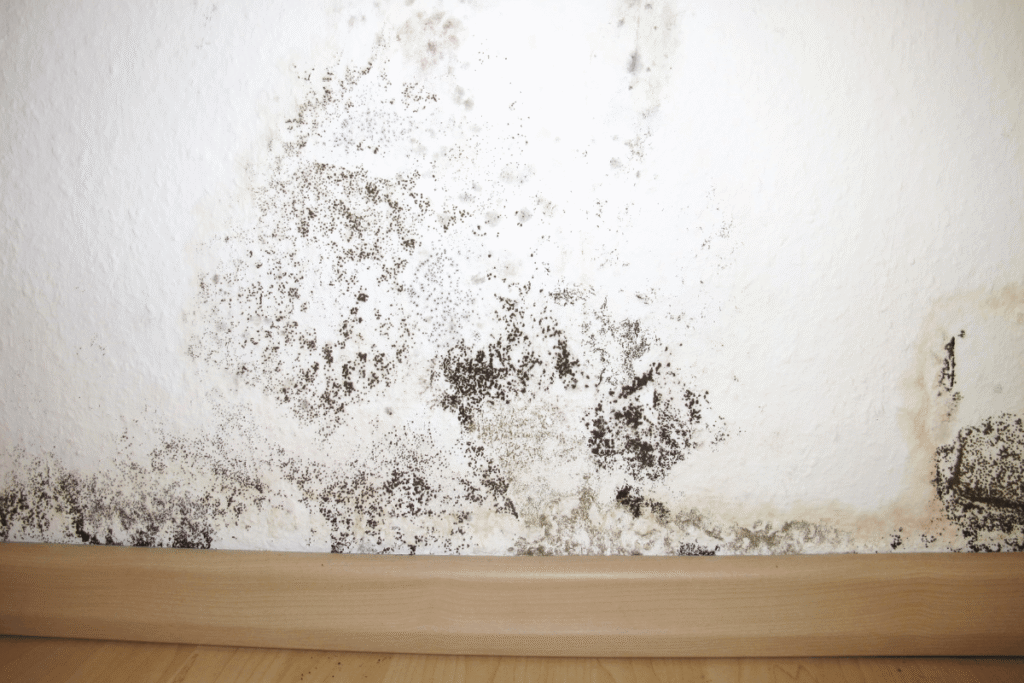
Black, green, white, gray, or other discolored patches may indicate fungal growth when they develop on damp walls, ceilings, wooden materials, or other indoor surfaces.
Persistent Musty or Earthy Odors
Unpleasant odors that remain noticeable after routine cleaning may suggest hidden moisture or microbial growth, particularly in enclosed rooms, basements, or areas affected by previous water damage.
Recurring Mold After Cleaning
Mold that repeatedly develops in the same location may indicate an unresolved moisture problem, making further investigation necessary rather than continuing to remove surface discoloration alone.
Water Stains & Deteriorating Materials
Discolored drywall, peeling paint, damaged ceiling tiles, and soft building materials can indicate prolonged water exposure that may create favorable conditions for mold development.
Mold Following Plumbing Leaks or Flooding
Building materials exposed to leaks, flooding, or other forms of water intrusion may develop mold when moisture remains present, particularly in concealed cavities and porous materials.
If you have noticed these conditions, a professional mold assessment can help determine the extent of the problem and whether remediation is necessary.
Areas Commonly Affected by Mold Growth
Mold Can Develop Wherever Moisture Problems Remain Unresolved
Mold contamination is not limited to bathrooms or other visibly damp spaces, as fungal growth can develop on many organic building materials when environmental conditions provide sufficient moisture.
Understanding where mold commonly develops can help property owners recognize potential problem areas and determine when professional remediation may be appropriate.
Basement & Crawl Space Mold Removal
Basements and crawl spaces can experience moisture intrusion, condensation, and elevated humidity that affect wooden framing, insulation, flooring, and stored materials. Addressing mold in these areas may require evaluating drainage problems, persistent dampness, and the condition of contaminated surfaces.
Bathroom & Kitchen Mold Removal
Bathrooms and kitchens experience frequent moisture exposure from plumbing fixtures, appliances, and daily activities, making ventilation and leak management important. Mold developing around cabinets, wall assemblies, and flooring may require more extensive remediation when moisture reaches concealed materials.
Attic Mold Remediation
Roof leaks, condensation, and ventilation problems can contribute to mold growth on attic sheathing, framing, insulation, and other building components. Appropriate remediation should consider the condition of affected materials and the source of moisture before determining which cleaning or removal procedures are necessary.
Wall, Ceiling & Drywall Mold Removal
Mold can develop within wall cavities or behind finished surfaces following plumbing leaks, roof damage, or prolonged moisture exposure. Depending on the level of contamination, affected drywall and insulation may need to be removed rather than cleaned.
Mold Removal After Water Damage
Water-damaged properties may develop mold when building materials remain wet after leaks, flooding, or other moisture incidents. Addressing mold contamination alongside unresolved water damage helps reduce the likelihood of further deterioration and recurring growth.
Our Mold Removal Process – How It Works
A Four-Step Approach to Professional Mold Remediation
At Crown Restoration, mold remediation begins with understanding the affected areas and determining the appropriate procedures for addressing contamination. Since no two mold problems are identical, our approach considers the extent of growth, the condition of contaminated materials, and the moisture sources contributing to the problem.
01
Step 1: Mold Assessment & Remediation Planning
We begin by evaluating the areas of concern, identifying visible mold growth, and considering moisture conditions that may be contributing to contamination. The findings help establish the scope of remediation, determine which materials require attention, and identify whether containment or additional investigation may be necessary.
02
Step 2: Containment & Area Preparation
Before disturbing contaminated materials, appropriate protective and containment procedures are selected according to the extent of the mold problem and the work involved. When required, isolating affected areas and preparing the workspace helps limit the movement of mold particles into surrounding spaces during remediation.
03
Step 3: Mold Removal & Affected Material Cleanup
The remediation stage focuses on removing mold growth and addressing contaminated materials using methods appropriate to their condition. Depending on the situation, work may involve cleaning suitable surfaces, carefully removing materials that cannot be adequately restored, and managing contaminated debris to reduce unnecessary dispersal.
04
Step 4: Final Cleanup & Moisture Prevention Guidance
After remediation activities are completed, the affected areas are reviewed to determine whether the agreed-upon cleanup objectives have been addressed. We also emphasize the importance of correcting moisture sources and maintaining appropriate indoor conditions to help reduce the likelihood of mold developing again.
Why Professional Mold Remediation Matters
Go Beyond Surface Cleaning to Address the Actual Problem
Mold growth can affect more than the appearance of your property, particularly when contamination develops inside porous materials or continues spreading because of unresolved moisture. Although some small areas of surface mold can be addressed through appropriate cleaning, larger or complicated contamination problems may require professional remediation.
Reduce the Spread of Contamination
Disturbing contaminated materials without appropriate precautions can release mold particles into surrounding areas, making containment and proper handling important considerations during larger remediation projects.
Address Materials That Cannot Be Cleaned
Some porous materials become heavily contaminated or deteriorate after prolonged moisture exposure, making removal and replacement more appropriate than attempting repeated surface cleaning.
Protect the Condition of Building Materials
Mold growth and persistent dampness can contribute to deterioration of building components, particularly when wood, drywall, insulation, and other moisture-sensitive materials remain affected.
Identify Conditions That Encourage Recurring Mold
Correcting leaks, improving moisture management, and addressing persistent dampness can help reduce the conditions that allow mold to develop after remediation.
Can Mold Return After Professional Removal?
Long-Term Mold Prevention Starts With Moisture Control
Mold spores naturally exist in indoor and outdoor environments, which means complete elimination of every airborne mold spore is neither practical nor the objective of professional remediation. The priority is to remove existing contamination, address affected materials, and correct the conditions that allowed excessive mold growth to develop.
If the underlying moisture problem remains unresolved, mold may return even after contaminated surfaces have been cleaned. Property owners should therefore consider moisture prevention an essential part of maintaining the results of remediation.
Repairing plumbing leaks and other sources of unwanted water intrusion before moisture continues affecting surrounding materials.
Managing indoor humidity and improving ventilation in spaces where condensation or persistent dampness occurs.
Drying wet building materials promptly after plumbing failures, appliance leaks, or other water-related incidents.
Maintaining roofing, drainage systems, and exterior building components to reduce preventable moisture intrusion.
At Crown Restoration, we emphasize the relationship between mold growth and moisture because successfully addressing the underlying conditions is essential to reducing future mold problems.
Why Choose Crown Restoration for Mold Removal?
Dedicated Restoration Support With Attention to Underlying Conditions
Choosing the right mold remediation company involves understanding how the affected materials will be evaluated, what removal methods may be necessary, and whether contributing moisture problems have been identified.
Crown Restoration focuses on clear communication, property-specific recommendations, and an approach that considers both contamination and the conditions responsible for mold growth.
Individualized Remediation Planning
We recognize that mold contamination varies between properties, making a careful evaluation of affected areas and materials essential before determining the appropriate remediation approach.
Focus on More Than Visible Mold
Our approach considers moisture-related conditions and potentially affected materials rather than treating visible surface discoloration as the only concern.
Appropriate Cleanup Recommendations
Different building materials require different remediation decisions, and we emphasize selecting procedures based on contamination, material condition, and restoration requirements.
Related Water Damage & Mold Services
Crown Restoration also provides water damage restoration and mold testing services, helping property owners investigate and address related moisture concerns.
Professional Mold Removal in Wisconsin & Surrounding Areas
Helping Local Property Owners Address Mold-Related Damage
Crown Restoration provides mold removal and remediation services throughout Wisconsin and surrounding communities, helping property owners address visible contamination, recurring mold problems, and moisture-related deterioration.
Whether mold has developed following water damage, appeared in a damp basement, or affected walls and ceilings, our team can help you discuss the problem and determine which remediation steps may be appropriate.
Frequently Asked Questions About Mold Removal
Mold removal generally refers to physically cleaning or removing mold growth from affected surfaces and materials, while mold remediation involves a broader process of evaluating contamination, managing its spread, addressing affected materials, and correcting contributing moisture conditions. Because mold spores naturally exist in the environment, remediation focuses on addressing excessive growth rather than attempting to eliminate every mold spore from a building.
Existing mold contamination can be removed or remediated using appropriate methods, but no service can guarantee that mold will never develop again. Future growth depends largely on whether moisture problems return, which makes leak repairs, humidity management, and proper building maintenance important after remediation.
Whether occupants should remain in a property during remediation depends on the extent of contamination, the locations being treated, the procedures involved, and individual health considerations. Significant remediation work may require temporary restrictions around affected areas, while people with asthma, allergies, weakened immune systems, or other health concerns should seek appropriate medical guidance about potential exposure.
The timeline depends on the size of the contaminated area, the types of materials affected, accessibility, and whether additional drying or building repairs are required. A limited remediation project may be completed relatively quickly, while extensive contamination involving concealed spaces or damaged materials can require a longer restoration process.
Drywall affected by substantial mold growth or prolonged moisture exposure may require removal because contamination can penetrate porous materials and make thorough cleaning difficult. However, the appropriate decision depends on the condition of the material, the extent of growth, and the circumstances identified during the assessment.
Painting over mold does not address the existing contamination or correct the moisture conditions supporting its growth, which means the problem may continue beneath the new coating. Mold-affected surfaces should be properly evaluated and remediated before painting or other finishing work begins.
Mold color alone does not reliably identify a species or establish the potential health effects associated with exposure. Visible mold growth should be addressed appropriately regardless of its color, while anyone experiencing health concerns should consult a qualified healthcare professional rather than relying on appearance alone.
Mold testing is not always necessary when visible growth and moisture-related damage already indicate that remediation is needed. Additional testing may be appropriate when contamination is suspected but not visible, when the extent of the problem is uncertain, or when sampling is required for a specific assessment or regulatory purpose.
Restore Your Property With Professional Mold Removal
Take Action Against Mold Growth
Mold contamination can continue damaging building materials when moisture problems remain unresolved, making appropriate removal and remediation important for protecting your property’s condition. Whether you’re dealing with visible mold growth, recurring contamination, or mold developing after water damage, Crown Restoration can help you understand the available restoration solutions.
Contact Crown Restoration today to request a mold removal assessment and take the next step toward addressing contamination, managing moisture, and restoring affected areas of your property.