
Professional Mold Testing Services
Identify Hidden Mold, Investigate Moisture Problems, and Make Informed Decisions About Your Property
Request a Free Consultation
Tell us a little about your property.
Our team is here to help you take the next step.
Mold problems are not always easy to recognize, especially when fungal growth develops behind walls, beneath flooring, or in areas affected by prolonged moisture exposure. Even when visible signs are limited, unexplained odors, recurring dampness, and previous water damage can raise concerns about possible mold contamination.
At Crown Restoration, we provide professional mold testing and inspection services, helping homeowners and property owners investigate suspected mold problems and better understand the conditions affecting their indoor spaces. Our approach emphasizes careful evaluation, appropriate testing recommendations, and practical guidance to help you determine whether additional investigation or mold remediation is necessary.
Comprehensive Mold Testing & Inspection Services
Understand What's Happening Inside Your Property
Mold can grow on building materials when sufficient moisture is available, making an accurate assessment of water intrusion and damp conditions essential when investigating suspected contamination. Because different properties experience different moisture problems, mold investigations should be based on observed conditions rather than relying on laboratory sampling alone.
Crown Restoration helps property owners assess potential mold concerns through a combination of visual inspection, moisture investigation, and recommendations for additional testing when appropriate.
Visual Mold Inspection
A visual mold inspection focuses on identifying suspicious growth, moisture-related deterioration, and environmental conditions that may support mold development. Evaluating accessible areas can help determine whether visible contamination is present and whether further investigation is needed to establish the extent of the problem.
Moisture Detection & Investigation
Excess moisture is one of the primary conditions that allows mold to develop inside buildings, making moisture detection an important part of a thorough mold assessment. Investigating plumbing leaks, condensation, water intrusion, and damp building materials can help identify the conditions contributing to suspected mold growth.
Air Sampling for Mold
Air sampling may provide additional information about airborne fungal particles when a qualified professional determines that sampling would help answer a specific question about the indoor environment. Because mold spores occur naturally indoors and outdoors, results must be interpreted carefully alongside inspection findings and relevant moisture conditions.
Surface Mold Sampling
When suspicious discoloration or material contamination cannot be adequately evaluated through visual inspection, surface sampling may help identify whether fungal material is present. Depending on the circumstances, appropriately collected samples can provide supporting information for an assessment and help guide recommendations for further action.
Signs You May Need Professional Mold Testing
Recognizing Potential Mold Problems Before They Become More Extensive
Mold concerns sometimes develop without obvious warning, especially when excess moisture accumulates in enclosed or difficult-to-access areas. Although visible mold growth often provides sufficient reason to address a problem, unexplained moisture conditions or suspected hidden contamination may warrant a professional investigation.
Persistent Musty Odors
An ongoing earthy or musty smell may indicate damp materials or possible microbial growth, particularly when the odor remains noticeable despite routine cleaning and ventilation.
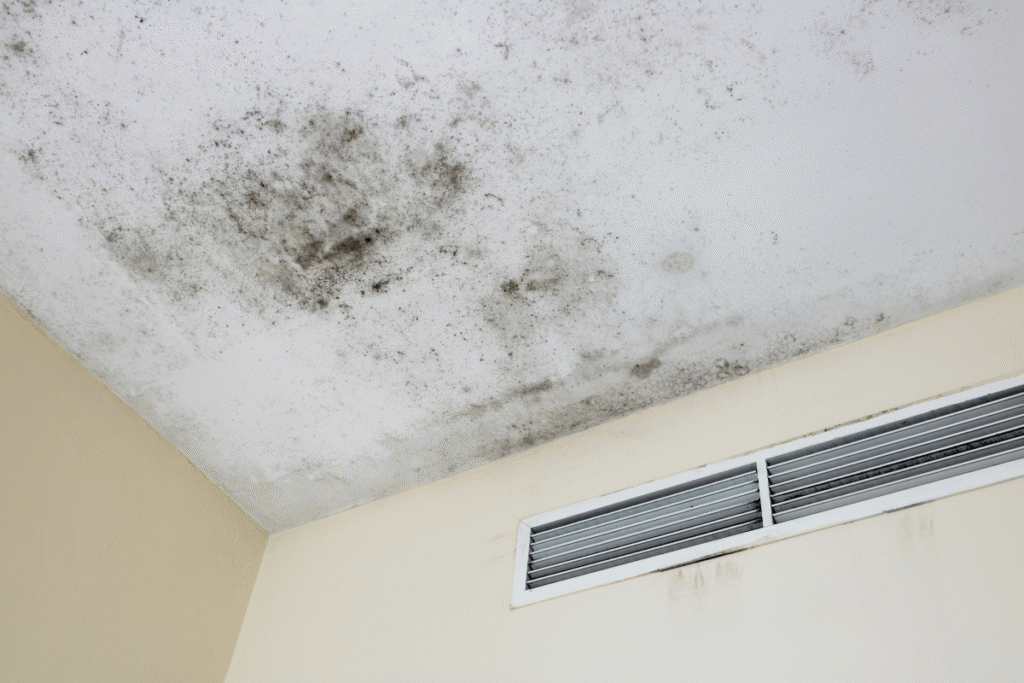
Unexplained Wall or Ceiling Discoloration
Staining, irregular patches, and changes in surface appearance may indicate moisture exposure or suspected mold growth, although discoloration alone cannot establish whether mold is present.
Previous Water Damage
Properties that have experienced roof leaks, plumbing failures, flooding, or other water intrusion may develop concealed moisture problems when affected materials have not been adequately dried.
Recurring Moisture or Condensation
Repeated condensation, persistent humidity, and damp surfaces can create conditions favorable to mold development, making investigation of the moisture source important.
Suspected Mold Behind Walls or Flooring
Unexplained odors, recurring water stains, and a history of leaks may raise concerns about concealed contamination, particularly when visible surfaces provide limited information about underlying materials.
Mold Concerns During Property Transactions
Buyers, sellers, and property managers may request an appropriate mold assessment when previous water damage, suspicious odors, or other conditions raise questions about a building's moisture history.
If you have noticed one or more of these warning signs, Crown Restoration can help you discuss the concerns and determine whether a professional mold inspection or additional testing would be appropriate.
Where Can Hidden Mold Develop?
Common Areas That Deserve Attention During a Mold Inspection
Mold growth is closely associated with moisture, which means areas affected by leaks, condensation, inadequate ventilation, or previous water intrusion may require closer examination.
Bathrooms & Laundry Rooms
Frequent moisture exposure, leaking plumbing fixtures, and poor ventilation can contribute to damp conditions around showers, sinks, laundry appliances, and adjacent building materials.
Basements & Crawl Spaces
Below-grade spaces may experience moisture intrusion, condensation, or elevated humidity that affects wooden framing, insulation, stored materials, and other vulnerable surfaces.
Attics & Ceiling Cavities
Roof leaks, condensation, and ventilation problems can introduce moisture into attic spaces and ceiling assemblies, sometimes allowing mold to develop before visible staining appears indoors.
Kitchens & Plumbing Areas
Leaking water lines, drains, dishwashers, and refrigerators can allow moisture to accumulate beneath cabinets or flooring, creating conditions that may support concealed mold growth.
Walls, Flooring & Concealed Building Materials
Previous leaks and water damage can leave moisture inside wall cavities, beneath flooring, or around insulation, making a targeted investigation important when hidden contamination is suspected.
When Is Mold Testing Actually Necessary?
Understanding the Difference Between Inspection and Laboratory Testing
Not every suspected mold problem requires laboratory testing, and ordering samples without a clear purpose may provide limited information about the actual condition of your property. When mold growth is already visible, an appropriate evaluation of the affected area and underlying moisture problem is often more useful than attempting to identify the exact mold species.
Additional testing may be considered when the source of suspected contamination is unclear, sampling could help resolve a specific concern, or documented findings are needed for a particular property-related decision.
A professional evaluation helps determine whether inspection findings are sufficient or whether air sampling, surface sampling, or another investigative method would provide meaningful information.
Our Mold Testing Process – How It Works
A Four-Step Approach to Investigating Mold Concerns
Crown Restoration focuses on helping property owners understand suspected mold conditions through a structured assessment process. The exact investigation depends on the property’s history, visible conditions, and whether additional testing is appropriate.
01
Step 1: Initial Consultation & Property History
We begin by discussing your concerns, including musty odors, previous water damage, recurring leaks, or visible changes to building materials. Understanding when the problem first appeared and how moisture may have entered the property helps establish the areas that deserve attention during the investigation.
02
Step 2: Visual Inspection & Moisture Assessment
The next stage involves evaluating accessible areas for suspicious growth, water damage, and moisture-related conditions that may contribute to contamination. Findings from the inspection help identify potential problem areas and determine whether additional investigative methods should be considered.
03
Step 3: Appropriate Mold Sampling & Evaluation
When sampling is justified, a qualified professional can determine which testing methods are suitable for the specific concern and arrange appropriate sample analysis. Results should be evaluated alongside observations from the property inspection because individual mold samples provide limited information when interpreted without context.
04
Step 4: Findings, Explanation & Recommended Next Steps
Following the assessment, we help explain the identified concerns and recommend appropriate next steps based on the available findings. Depending on the situation, those recommendations may involve correcting moisture problems, conducting additional investigation, or arranging professional mold remediation for affected areas.
Mold Inspection vs. Mold Testing vs. Mold Removal
Understanding Which Service Your Property May Need
Although mold inspection, mold testing, and mold removal are closely related, they serve different purposes when investigating and addressing fungal contamination.
Mold Inspection
A mold inspection focuses on evaluating visible conditions, identifying potential moisture sources, and determining whether suspected contamination warrants further investigation or corrective action.
Mold Testing
Mold testing involves collecting and analyzing samples when additional information could help answer a specific question that cannot be adequately resolved through inspection alone.
Mold Removal & Remediation
Mold remediation focuses on addressing existing fungal growth and contaminated materials while identifying and correcting the moisture conditions contributing to the problem.
Understanding these differences can help you avoid unnecessary testing and select the service that addresses your property’s actual needs.
Why Choose Crown Restoration for Mold Testing?
Clear Guidance for Understanding Your Property's Condition
Investigating a possible mold problem requires careful attention to building conditions, moisture history, and the limitations of different testing methods. Crown Restoration emphasizes a practical approach that helps property owners better understand potential concerns without relying on unnecessary assumptions.
Focus on Identifying Moisture Sources
Because mold problems are closely linked to excess moisture, we emphasize evaluating the conditions that may be contributing to suspected contamination.
Property-Specific Assessment Recommendations
Every property has different construction characteristics and moisture concerns, making an individualized evaluation more useful than applying the same testing approach in every situation.
Practical Information for Decision-Making
Our goal is to help property owners understand the purpose of recommended investigations and determine which findings are relevant to their next steps.
Access to Related Restoration Solutions
In addition to mold testing, Crown Restoration provides water damage restoration and mold removal services, allowing property owners to discuss related moisture and remediation concerns.
Mold Testing in Wisconsin & Surrounding Communities
Helping Local Property Owners Investigate Mold Concerns
Crown Restoration provides professional mold testing and inspection services for property owners throughout Wisconsin and nearby communities. Whether you are concerned about hidden mold, investigating previous water damage, or evaluating suspicious moisture conditions, our team can help you understand the available assessment options.
We assist property owners in determining appropriate next steps based on the conditions affecting their buildings and the nature of their mold concerns.
Frequently Asked Questions About Mold Testing
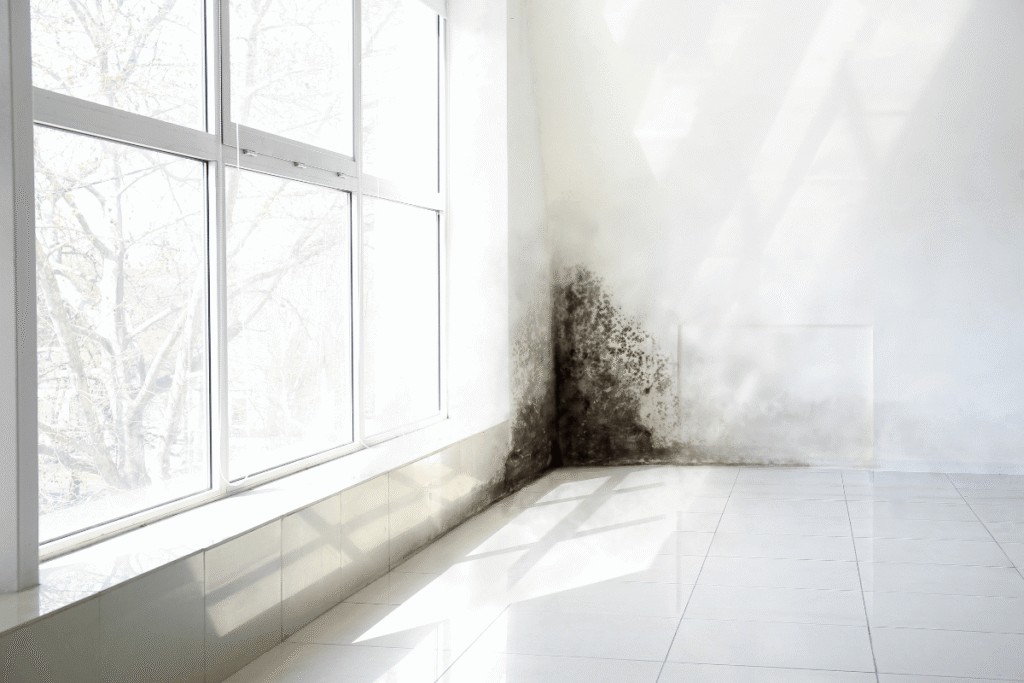
Professional mold testing may be useful when you suspect hidden contamination, experience persistent musty odors, or need additional information about an unresolved mold concern. However, when mold is already visible, a thorough inspection and appropriate remediation planning may be more valuable than collecting samples that would not change the recommended course of action.
Yes, mold can develop in concealed areas when moisture reaches building materials behind walls, beneath flooring, or inside other enclosed spaces. Persistent odors, recurring water intrusion, and unexplained dampness may justify further investigation, although these signs do not automatically confirm the presence of hidden mold.
Air sampling for fungal particles is one type of environmental mold testing, but it does not provide a complete assessment of indoor air quality or all conditions that may affect occupants. Because airborne mold concentrations can change with ventilation, activity, and environmental conditions, results should be interpreted alongside an informed building inspection.
The usefulness of mold testing depends on selecting the appropriate sampling method, collecting representative samples, using suitable analytical procedures, and interpreting the results correctly. Even professionally collected samples have limitations, and no single test can reliably describe every mold condition throughout an entire property.
Mold testing alone cannot establish whether a home is completely safe or free from potential health concerns because there are no established federal health-based limits for airborne mold concentrations. A qualified professional should consider inspection findings, moisture conditions, and the limitations of any test results when explaining what the assessment indicates.
The time required depends on the size of the property, accessibility of the areas being evaluated, complexity of the moisture problem, and whether sampling is necessary. Laboratory analysis, when required, generally takes additional time beyond the on-site assessment, with the reporting schedule depending on the laboratory and testing method.
Mold testing is not automatically necessary after every water damage incident, particularly when affected materials have been appropriately evaluated and dried. However, additional investigation may be useful when water intrusion went undetected, moisture problems remain unresolved, or there are signs that fungal growth may have developed in concealed areas.
Concerned About Mold? Get the Answers You Need
Schedule Professional Mold Testing
Unexplained musty odors, previous water damage, and persistent moisture problems can leave you uncertain about the condition of your property. Understanding whether suspected mold contamination is present and determining which areas require attention can help you make informed decisions before the problem becomes more extensive.
At Crown Restoration, we help property owners investigate potential mold concerns, understand relevant findings, and identify appropriate next steps for addressing moisture-related problems.