Professional Fire & Smoke Damage Repair
Comprehensive Fire Damage Restoration, Smoke Cleanup & Property Repair Solutions
Request a Free Consultation
Tell us a little about your property.
Our team is here to help you take the next step.
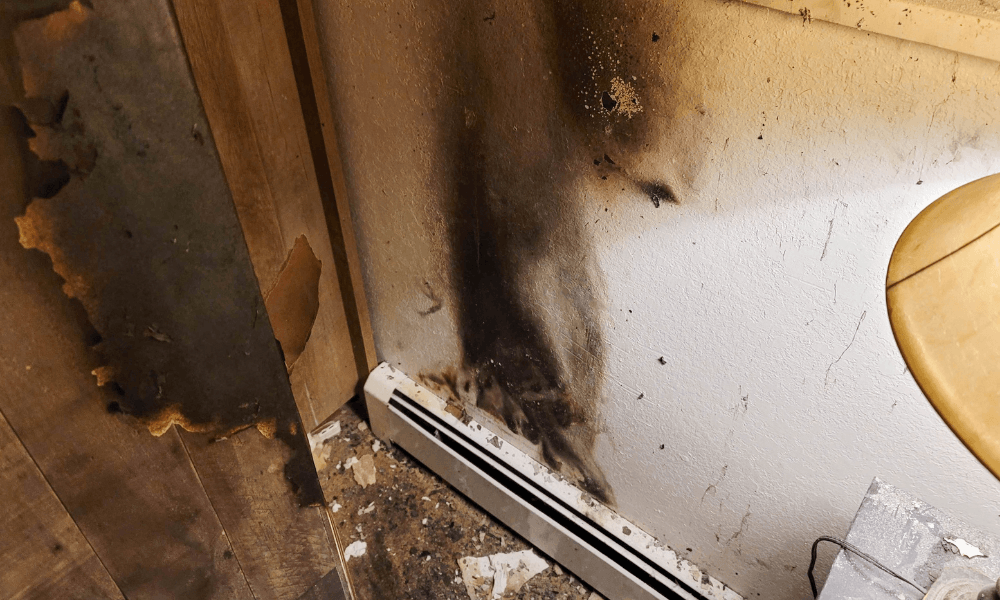
Experiencing a fire can leave your property with extensive damage that goes far beyond burned materials, including stubborn smoke odors, soot-covered surfaces, and moisture problems caused by firefighting efforts. Even areas untouched by flames may require professional attention because smoke particles and combustion residues can travel throughout a building, affecting walls, ceilings, furnishings, and other interior surfaces.
At Crown Restoration, we provide professional fire and smoke damage repair services, helping property owners assess fire-related damage, address affected materials, and plan the necessary restoration work. Our approach focuses on understanding the extent of damage, identifying appropriate cleanup procedures, and helping restore affected spaces so you can move forward with confidence.
Complete Fire & Smoke Damage Restoration Services
Addressing Visible Damage, Hidden Residue & Lingering Smoke Odors
Fire damage restoration requires careful attention because the effects of a fire can continue beyond the areas exposed to direct flames. Smoke, soot, heat, and water used during firefighting can affect different building materials in different ways, making a detailed assessment essential before cleanup or repair work begins.
Crown Restoration helps property owners address the various conditions associated with fire damage through restoration recommendations tailored to the severity of the incident, the affected materials, and the property’s condition.
Fire Damage Cleanup & Repair
Fire can damage drywall, ceilings, flooring, cabinetry, and other interior building components, leaving some materials suitable for restoration while others require replacement. Our fire damage repair approach focuses on evaluating affected areas, determining the extent of deterioration, and identifying the appropriate cleanup and repair requirements.
Smoke & Soot Damage Cleanup
Smoke can travel into rooms far from the original fire, depositing fine soot particles on walls, ceilings, furniture, and other surfaces. Appropriate smoke damage cleanup methods help address these residues while considering the type of surface, the extent of contamination, and the potential for additional damage during cleaning.
Smoke Odor Removal & Treatment
Lingering smoke odors can remain noticeable long after a fire has been extinguished because odor-producing residues may penetrate porous materials and settle in concealed areas. Effective smoke odor treatment begins with identifying affected materials and removing contamination, followed by additional deodorization methods when appropriate.
Fire-Related Water Damage Restoration
Water used to extinguish a fire can saturate flooring, drywall, insulation, and other building materials, creating additional restoration challenges. Addressing excess moisture and evaluating water-damaged materials helps reduce secondary deterioration while supporting the overall fire damage recovery process.
Common Situations That Require Fire & Smoke Damage Repair
Restoration Support for Different Types of Fire-Related Property Damage
Fire-related damage can vary considerably depending on where the incident occurs and how smoke, heat, and firefighting materials affect the surrounding property. Even a relatively contained incident may leave behind residues or moisture conditions that require professional evaluation.
Kitchen Fire Damage
Cooking-related fires can leave heavy smoke residue, grease deposits, and heat damage around cabinets, appliances, ceilings, and adjacent rooms. Restoration needs depend on how far smoke traveled, which surfaces were affected, and whether surrounding building materials require cleaning or replacement.
Electrical Fire Damage
Electrical fires may damage outlets, wiring, nearby wall assemblies, and other building components while releasing smoke that spreads into surrounding areas. Qualified electrical evaluation is essential before affected electrical systems are used or repairs proceed in potentially hazardous locations.
Residential Room Fires
A fire involving a bedroom, living room, garage, or another interior space may cause both localized fire damage and smoke contamination in other parts of the property. Evaluating connected rooms and shared air pathways can help identify areas that require additional attention.
Furnace & Heating Equipment Fires
Incidents involving heating equipment can produce smoke residues and heat-related damage around mechanical systems and nearby materials. Appropriate assessment may be necessary to determine which surfaces require cleaning and whether qualified technicians must inspect affected equipment before it is returned to service.
Smoke Damage From Nearby Fires
A property does not always need to experience direct flames to suffer smoke-related damage, particularly when smoke from a nearby structure fire or wildfire enters interior spaces. Depending on the level of exposure, affected properties may require residue cleaning, odor investigation, or additional treatment.
Understanding the Different Types of Fire Damage
Why Fire Restoration Involves More Than Repairing Burned Surfaces
The effects of a property fire depend on several factors, including the materials burned, the intensity of the heat, the movement of smoke, and the methods used to extinguish the flames. Understanding these different forms of damage helps determine which areas require cleanup, specialized treatment, or additional repairs.
Flame & Heat Damage
Direct exposure to flames and high temperatures can weaken or destroy building materials, damage interior finishes, and affect components that may no longer be suitable for continued use. The extent of structural damage may require evaluation by appropriately qualified building professionals before repair or reconstruction begins.
Smoke Residue & Soot Deposits
Smoke contains airborne particles that can settle on interior surfaces, enter concealed spaces, and leave dark or sticky residues depending on the materials involved in the fire. These deposits may cause staining and require specialized cleaning procedures to avoid spreading contamination.
Persistent Smoke Odors
Smoke odors can become embedded in carpeting, upholstered materials, wall assemblies, and other porous surfaces, making ordinary household cleaning insufficient in some situations. Identifying and treating the source of the odor is more effective than relying exclusively on fragrances or surface treatments.
Water & Moisture Damage
Fire suppression efforts can introduce significant amounts of water into a building, potentially affecting areas that were not damaged directly by flames. When these materials remain wet, additional deterioration and moisture-related problems may develop during the recovery period.
A thorough fire damage assessment considers these conditions together rather than focusing only on the most visibly damaged portions of the property.
Our Fire & Smoke Damage Restoration Process – How It Works
Four Steps Toward Recovering Your Fire-Damaged Property
At Crown Restoration, our approach emphasizes identifying the full extent of fire-related damage and developing an appropriate recovery plan before restoration begins. Because fire incidents can involve structural hazards, electrical damage, smoke contamination, and excess moisture, the exact scope of work depends on the property’s condition and the findings of the initial assessment.
01
Step 1: Property Inspection & Damage Assessment
Once fire authorities have confirmed that access is safe, the first stage involves evaluating visible damage, identifying affected areas, and considering the extent of smoke, soot, heat, and water exposure. This assessment helps determine which materials may be recoverable, which areas require additional investigation, and what restoration work should be prioritized.
02
Step 2: Debris Cleanup & Soot Removal
Following the assessment and any necessary safety precautions, restoration work can begin with addressing fire-related debris and smoke residue using methods appropriate to the affected materials. Depending on the condition of the property, this stage may involve removing unsalvageable materials, cleaning contaminated surfaces, and managing soot deposits to limit additional spreading.
03
Step 3: Smoke Odor Treatment & Secondary Damage Restoration
After the initial cleanup, attention turns to persistent smoke odors, contaminated materials, and additional problems such as moisture resulting from firefighting activities. Appropriate odor treatment, drying procedures, and further cleaning may be necessary to address conditions that remain after visible fire damage has been removed.
04
Step 4: Property Repairs & Final Restoration Review
The final stage focuses on completing or coordinating the repairs identified in the restoration plan and reviewing the condition of the treated areas. Depending on the extent of the damage, additional work may involve replacing affected finishes, addressing damaged building components, or arranging qualified specialists for repairs beyond the cleanup scope.
Why Timely Fire & Smoke Damage Restoration Matters
Prevent Additional Deterioration After the Fire Is Extinguished
Although extinguishing a fire ends the immediate threat from the flames, the recovery process may involve ongoing concerns related to soot, moisture, damaged materials, and lingering contamination. Addressing these problems promptly after the property has been declared safe can help property owners reduce avoidable complications and establish a clear restoration plan.
Reduce Long-Term Smoke & Soot Damage
Soot and other fire residues can remain on surfaces and may contribute to staining or material deterioration when they are not appropriately addressed. Selecting suitable cleanup methods early can help preserve materials that might otherwise become more difficult to restore.
Identify Damage Beyond the Fire's Origin
Smoke can move through doorways, ventilation pathways, and connected rooms, affecting areas where no flames were present. Evaluating the surrounding property can help identify contamination that might be overlooked during a limited visual inspection.
Address Secondary Water Damage
Water used during firefighting can leave building materials saturated, creating problems that require drying or additional restoration. Identifying these conditions helps reduce the risk of prolonged moisture exposure and related deterioration.
Establish Clear Repair Priorities
Understanding which materials can be cleaned, which components require replacement, and whether specialist evaluations are necessary helps property owners make informed decisions about the sequence of restoration work.
What to Do After a Fire Damages Your Property
Important Precautions Before Cleanup or Repairs Begin
Returning to a fire-damaged property requires caution because structural components, electrical systems, and contaminated materials may present hazards that are not immediately visible. Before arranging restoration work, property owners should prioritize safety and follow the instructions provided by emergency responders and other qualified authorities.
Wait for Official Clearance:
Do not enter a fire-damaged building until local fire authorities have confirmed that it is safe, even when the visible flames have been extinguished.
Avoid Damaged Electrical Systems:
Do not operate appliances, switches, or electrical equipment exposed to fire, heat, or water until qualified professionals have evaluated their condition.
Document the Damage:
When safe access is permitted, take photographs of affected rooms, damaged materials, and belongings to support discussions with your insurance provider.
Limit Contact With Soot & Ash
Avoid unnecessarily disturbing fire residues because fine particles can become airborne or spread to unaffected surfaces during improper cleanup.
Contact Your Insurance Provider:
Report the incident, review applicable coverage, and ask about documentation or authorization requirements before beginning major cleanup or repair work.
Arrange a Professional Assessment:
Contact a restoration provider to discuss the damage and determine which cleanup, moisture management, or repair procedures may be appropriate.
Taking these precautions can help property owners approach recovery more safely while preserving information needed for restoration planning and potential insurance claims.
Why Choose Crown Restoration for Fire Damage Repair?
Practical Restoration Guidance When Your Property Needs Attention
Recovering from a fire involves decisions about cleanup, repairs, damaged belongings, and the condition of affected building materials. Crown Restoration emphasizes a careful assessment process and clear communication to help property owners understand the restoration work that may be required.
Comprehensive Damage Evaluation
We consider the different ways fire, smoke, soot, and moisture may affect a property so restoration recommendations are based on more than visible fire damage alone.
Restoration Solutions Based on Material Condition
Different surfaces and building components respond differently to heat and contamination, making it important to select cleanup and repair recommendations according to the affected materials.
Attention to Secondary Damage
Our restoration approach considers conditions such as smoke residue, odor contamination, and moisture left behind by firefighting efforts, helping property owners identify issues beyond the original fire.
Clear Communication Throughout Recovery
We focus on helping property owners understand identified concerns, recommended restoration priorities, and the next steps involved in recovering their property.
Fire & Smoke Damage Repair in Wisconsin & Surrounding Areas
Helping Local Property Owners Recover After Fire Damage
Crown Restoration provides professional fire and smoke damage repair services throughout Wisconsin and surrounding communities, helping property owners address fire-related damage, persistent smoke odors, soot contamination, and other restoration concerns.
Whether your property has experienced a contained kitchen fire, smoke damage from a nearby incident, or extensive damage requiring a coordinated restoration plan, our team can help you discuss the affected areas and determine the appropriate next steps.
Frequently Asked Questions About Fire & Smoke Damage Repair
Fire and smoke damage restoration may include evaluating affected building materials, removing debris, cleaning soot deposits, addressing smoke odors, managing moisture from firefighting efforts, and completing necessary repairs. The specific work depends on the severity of the fire, the condition of the property, and which materials can be safely restored rather than replaced.
Yes, smoke can travel through openings, connected rooms, and ventilation pathways, allowing particles and odors to reach areas away from the original fire. A property may therefore require smoke residue cleaning or odor treatment in spaces that show little or no direct flame damage.
Many smoke odors can be substantially reduced or eliminated through appropriate cleaning, removal of contaminated materials, and specialized odor treatment methods. However, the outcome depends on the severity of smoke exposure, the materials affected, and whether odor-producing residues remain in concealed or porous areas.
The restoration timeline depends on the extent of fire and smoke damage, the amount of cleanup required, the condition of affected building materials, and whether significant repairs are necessary. Smaller projects may require less extensive work, while properties with structural damage or widespread contamination can require a longer recovery period involving multiple specialists.
Fire-related soot and ash can contain particles and chemical residues that may irritate the skin, eyes, and respiratory system, making appropriate precautions important during cleanup. Extensive contamination, damaged structures, or uncertainty about hazardous materials are reasons to seek professional guidance rather than attempting to clean affected areas with ordinary household equipment.
Some furniture and personal belongings can be cleaned or restored depending on the type of material, extent of heat exposure, amount of soot contamination, and potential water damage. Items that have been severely burned, structurally damaged, or contaminated beyond practical cleaning may require replacement, while specialized contents restoration may be appropriate for certain recoverable belongings.
Homeowners insurance commonly includes coverage for certain fire and smoke damage losses, although the amount and extent of coverage depend on policy terms, exclusions, deductibles, and the circumstances of the incident. Property owners should contact their insurance provider to review applicable coverage and confirm the documentation required for a claim.
Recover With Confidence After Fire & Smoke Damage
Get Professional Fire Damage Restoration Help
Fire and smoke damage can leave property owners facing difficult decisions about cleanup, damaged materials, and the repairs needed to make affected spaces usable again. Addressing soot contamination, persistent odors, secondary water damage, and fire-related deterioration through an appropriate restoration plan can help make the recovery process more manageable.
At Crown Restoration, we are ready to discuss your fire and smoke damage concerns, help evaluate the property’s restoration needs, and recommend practical next steps based on the condition of the affected areas.